 Need help? Call Us Now :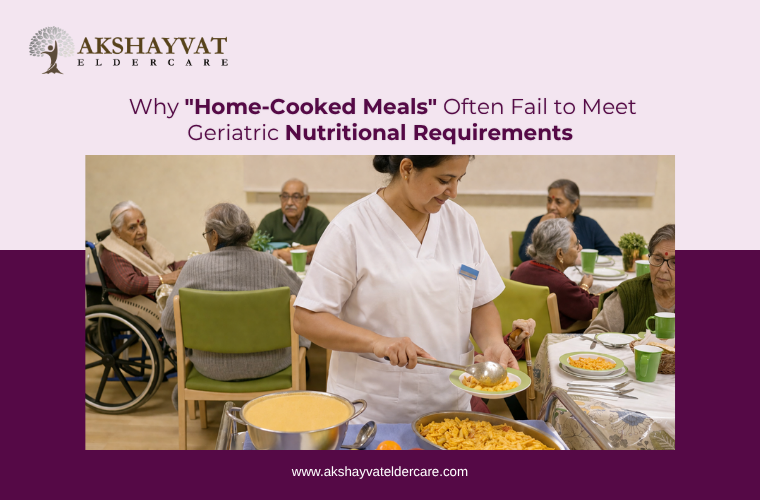
We often believe that providing a warm bowl of dal and fresh roti is enough for our parents. We assume that these familiar traditional dishes will keep them strong and healthy forever. The reality of aging bodies requires a completely different approach to daily dietary nourishment. Regular food often lacks the concentrated vitamins and minerals that frail bodies desperately need. Understanding this critical gap represents the first step in ensuring your parents live comfortably. We must adapt our cooking methods to support their rapidly changing physical health requirements.
Why Does Regular Food Fall Short for Ageing Bodies?
Our digestive systems slow down significantly as we cross the age of 60. Older adults absorb essential nutrients quite poorly. They might eat a full plate of everyday food without getting enough vital protein. Bones become fragile because standard meals rarely provide sufficient dietary calcium and vitamin D. This severe nutritional deficit leads to physical weakness that families often mistake for normal ageing.
| Nutrient Type | Adult Requirement | Senior Requirement | Reason for the Change |
| Dietary Protein | 50 grams daily | 65 grams daily | To prevent severe muscle loss over time. |
| Calcium Intake | 600 milligrams daily | 1200 milligrams daily | To support weakening bone density effectively. |
| Vitamin B12 | Moderate daily amount | High daily amount | Due to significantly decreased stomach acid production. |
Modifying regular household recipes to meet these specific medical targets requires significant daily effort. Families often struggle to balance taste preferences with the strict dietary needs of seniors. Professional environments understand exactly how to manage these complex nutritional profiles without compromising flavour.
- Regular household meals usually contain high carbohydrates and insufficient lean protein food sources.
- Ageing taste buds require different spices that do not irritate sensitive stomach linings.
- Seniors frequently need smaller and more frequent meals rather than large heavy portions.
How Does a Retirement Home Address Nutritional Gaps?
Finding the right balance becomes easier when trained professionals take over the daily planning. A quality retirement home in Gurgaon employs dedicated clinical nutritionists for their resident senior citizens. These experts design custom meal plans based on individual blood reports and medical histories. They ensure that every single bite contains maximum nutritional value for frail ageing bodies.
| Monitoring Aspect | Home Environment | Professional Facility |
| Meal Planning | Based on family choices | Based on medical doctor advice |
| Portion Control | Often irregular or guessed | Strictly measured for maximum benefit |
| Hydration Tracking | Rarely monitored during the day | Tracked through specific daily schedules |
Consistency remains the most important factor in improving the physical health of older adults. Families juggle office work and household chores while trying to care for elderly parents. Professionals dedicate their entire schedule to ensuring that senior residents receive optimal physical care.
- Specialised chefs prepare easily chewable foods to accommodate people with severe dental issues.
- Staff members monitor fluid intake to prevent dangerous dehydration during hot summer months.
- Dietary teams adjust specific food recipes immediately when a resident shows signs of discomfort.
When Should You Consider a Short Term Stay for Elderly Relatives?
Sometimes aging parents need temporary professional assistance after a hospital visit or major surgery. Organising a short term stay for elderly parents provides them with supervised medical recovery. This transition period allows their bodies to heal through medically approved dietary interventions carefully. You can observe the positive changes in their energy levels before making permanent decisions.
| Recovery Stage | Dietary Requirement | Recommended Care Setting |
| Post-Surgery | High protein and low sodium | Supervised nursing facility |
| General Weakness | Iron and vitamin supplements | Assisted living environment |
| Routine Ageing | Balanced fibre and hydration | Supported home care |
Making choices about parental care often brings heavy emotional guilt to loving adult children. We must remember that seeking professional assistance demonstrates profound love and immense practical responsibility. Facilities like Akshayvat Eldercare focus entirely on providing the dignified support your family deserves.
- Temporary residential care offers families a much needed break from exhausting daily caregiving responsibilities.
- Seniors experience social interactions during mealtimes which significantly improves their daily appetite and wellbeing.
- Medical professionals identify hidden nutritional deficiencies that untrained family members would completely miss otherwise.
Your Next Step for Senior Wellbeing
Watching your loved ones struggle with their declining health is a deeply painful experience. You have the power to change their daily lives by exploring professional nutritional support. Let us work together to give our respected elders the healthy life they genuinely deserve.
Frequently Asked Questions
What makes senior nutrition different from standard adult nutrition?
Ageing bodies process food much slower and require highly concentrated vitamins to function properly. They need fewer calories but significantly more dietary protein to maintain their decreasing muscle mass.
How can a retirement home help my aging parents?
A reliable retirement home offers specially curated meals created by certified clinical nutritionists. They constantly monitor the daily food intake of elderly residents to prevent severe health complications.
Is a short term stay for parents a practical idea?
A short term stay for individuals provides excellent medical supervision during complex post-hospital recovery. This helpful option allows families to ensure their parents receive proper dietary care without permanent commitments.


 Chat Now
 Call Us